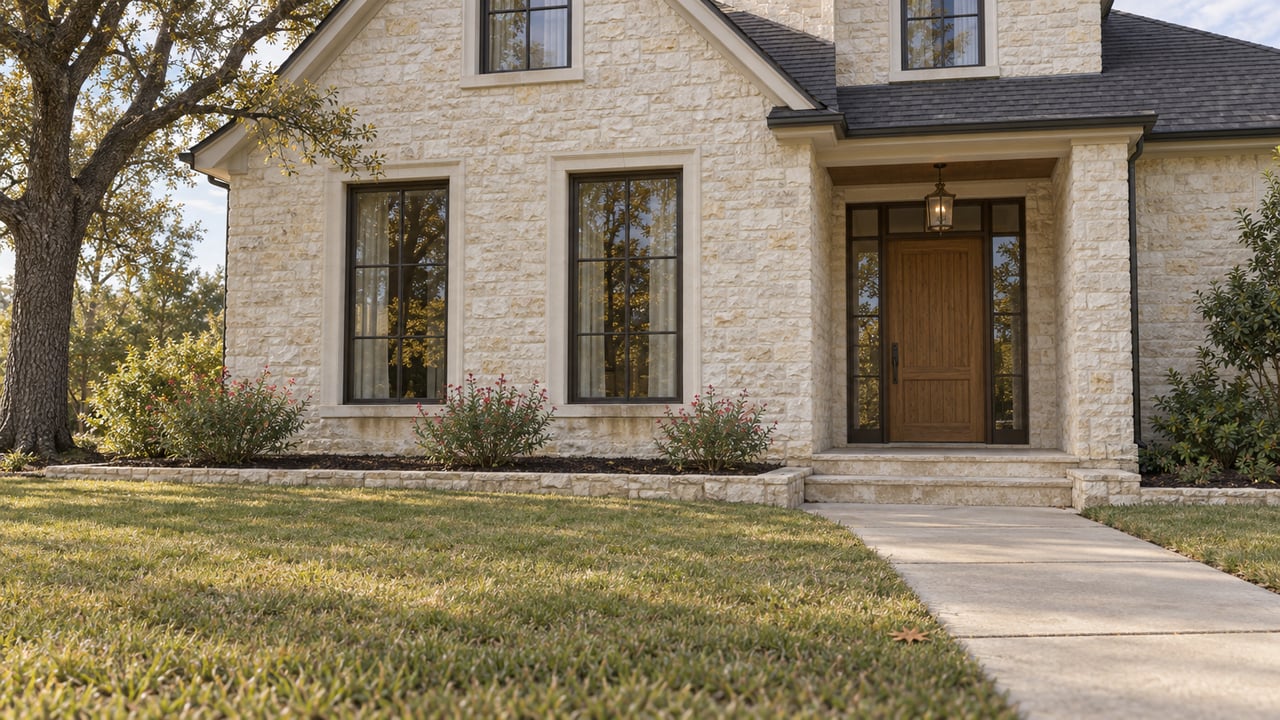
Thinking about living in Kyle but not sure which neighborhood fits your lifestyle or what your daily drive will look like? You want more space and value without adding an hour to your day, and you need clear answers on HOAs, taxes, and schools. In this guide, you’ll learn how Kyle’s master-planned communities compare with established areas and acreage options, what commutes to Austin and San Marcos really feel like, and which checks to complete before you make an offer. Let’s dive in.
Kyle at a glance
Kyle sits in Hays County on the I-35 corridor between Austin to the north and San Marcos to the south. The city is growing quickly, with large master-planned communities alongside older neighborhoods and semi-rural pockets. Most residents commute by car on I-35, so travel time can vary a lot during peak hours. As a buyer, it helps to weigh neighborhood style, commute needs, and carrying costs together.
Neighborhood types in Kyle
Master-planned communities
Master-planned communities (MPCs) offer uniform design guidelines, on-site amenities like pools, trails, and greenbelts, and active HOA governance. New construction is common, and you often have several builders and floorplans to choose from. Examples in Kyle include large, planned neighborhoods such as Sunfield and the established Plum Creek area with community amenities. These areas can suit first-time and move-up buyers who want modern finishes, community spaces, and new-home warranties.
Established and downtown areas
Established neighborhoods and downtown Kyle offer a mix of home ages and architectural styles. Many pockets have lower or no HOA oversight and are closer to local services. You may find quicker move-in timelines and varied lot sizes, with tradeoffs like fewer community amenities and the possibility of renovation projects.
Semi-rural and acreage
Semi-rural areas around Kyle offer larger lots and more privacy. Utility setups can differ from subdivision norms, including wells or septic systems in some locations. Expect longer drives to retail and amenities and a different maintenance profile. These properties fit buyers who value space and are comfortable with unique utility, tax, and upkeep considerations.
Home styles and what to expect
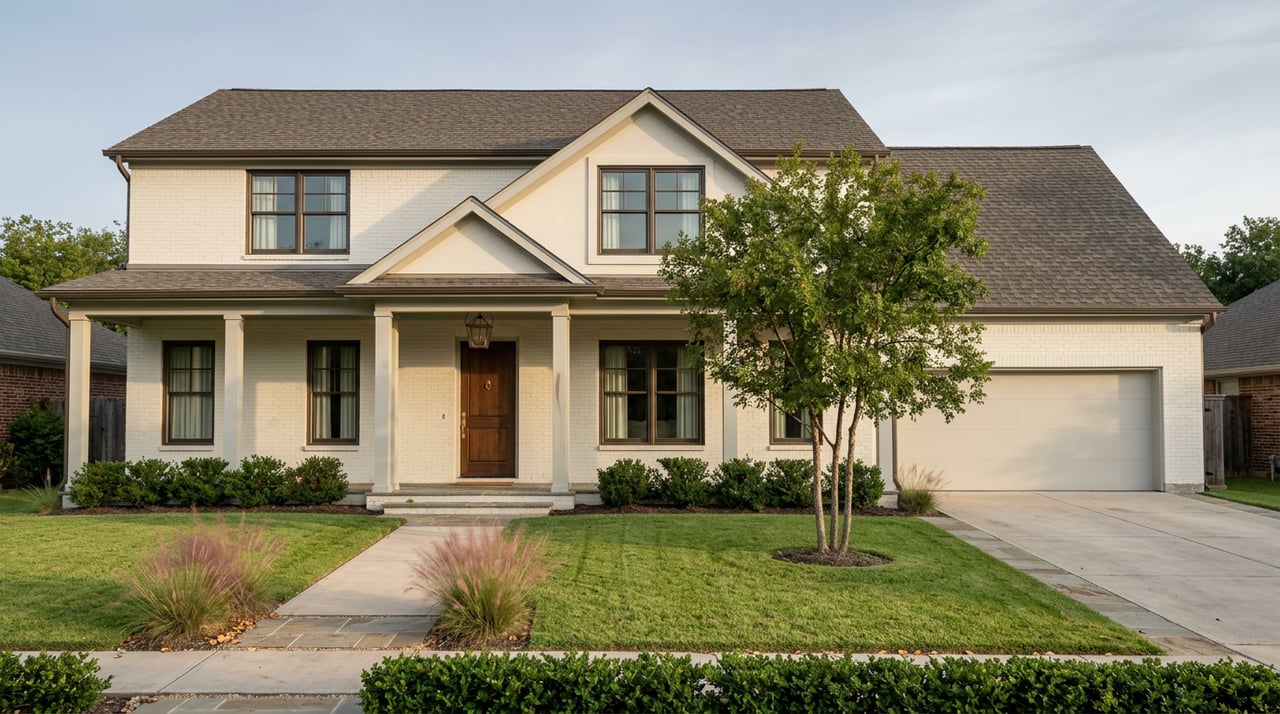
New construction in Kyle typically includes one- and two-story single-family homes with open layouts and 3 to 5 bedrooms. Builders may offer upgrade packages and community amenities. Older homes range from bungalows to traditional single-family styles, often on smaller footprints with variable energy efficiency. You may also see limited townhome pockets in infill areas.
Commute guide: Austin and San Marcos
Commute to Austin
Drive time depends on your destination and the time of day. Off-peak, many parts of Kyle reach central or south Austin in about 30 to 45 minutes. During weekday peaks, expect congestion on I-35 approaching Austin, with travel often between 45 to 75 minutes or more.
Commute to San Marcos
The drive to San Marcos is usually shorter. Many Kyle neighborhoods are roughly 15 to 25 minutes from central San Marcos in normal traffic. Timing still matters, so test your specific route.
Transit and other options
Public transit coverage in Kyle is limited compared with Austin. MetroRail does not extend to Kyle as of mid-2024, and commuter options can change over time. Some regional park-and-ride or private shuttle services may be available, so it is wise to check current routes with area transit providers and your employer.
How to test your commute
- Pick two weekdays and leave at 7:30 to 8:30 a.m. and again at 4:30 to 6:30 p.m.
- Drive from a specific home address to your workplace or school.
- Track both the main route and a backup route using real-time navigation.
- Factor costs for fuel, potential tolls, and parking into your housing budget.
Taxes, HOAs, and MUDs
Many master-planned communities have HOAs that manage amenities and set architectural standards. HOAs usually charge annual or quarterly dues, sometimes with separate amenity fees. Newer neighborhoods may be inside a Municipal Utility District (MUD), which adds a separate line to your property tax bill to pay for infrastructure like water, sewer, and roads. Texas has no state income tax, so local property taxes deserve close attention. Ask for a full tax rate breakdown, any MUD disclosures, and understand how these costs affect your monthly payment.
Schools and key services
Much of Kyle is served by Hays Consolidated Independent School District, and school assignments are address specific. New campuses can open as communities grow, including possible on-site elementary schools in larger MPCs. If schools matter to your decision, verify current attendance zones and review recent district resources before you commit.
Flooding and site checks
Some areas sit near creek corridors and may experience localized flooding during heavy rain. Before you buy, consult FEMA Flood Insurance Rate Maps, Hays County floodplain resources, and seller disclosures. If a property is in or near a mapped flood zone, get insurance quotes and confirm any elevation certificates or mitigation measures.
Resale and long-term value
Resale value in Kyle often ties to school zones, commute access to employment centers, neighborhood amenity quality, HOA upkeep, and builder reputation. In new construction, early phases can experience pricing shifts due to builder incentives and the construction cycle. Lot position, proximity to amenities, and a practical floorplan with the right bed and bath mix can improve long-term appeal.
Who should consider what
| Buyer goal | Neighborhood type to prioritize | Commute approach | Key checks |
|---|---|---|---|
| First-time buyer wanting amenities | Master-planned community | Choose phases with quick I-35 access | HOA dues, MUD tax rate, builder warranty scope |
| Move-up family needing space | Newer MPC or established larger lots | Test peak-hour drives to school and work | School zones, backyard size, amenity proximity |
| Renovation-friendly value | Established/downtown pockets | Shorter local trips, variable Austin times | Maintenance needs, utility updates, no or low HOA |
| Privacy and land | Semi-rural or acreage | Plan for longer drives | Well/septic status, insurance, road maintenance |
| Investor evaluating rental demand | MPC near amenities or established near services | Access to major corridors | HOA lease rules, local ordinances, tax impact |
What to request before you write an offer
- HOA documents: CC&Rs, rules, budgets, reserves, and recent minutes if available
- MUD or special district disclosures and current tax rate schedule
- Full property tax breakdown and the most recent tax bill
- Recent utility bills and details on water, sewer, septic, or well
- FEMA flood zone letter or evidence, plus any mitigation documents
- School assignment verification for the property address
How to choose your Kyle neighborhood
Start with lifestyle and budget, then layer in commute time and carrying costs. If you value new-home features and community amenities, an MPC may be your best fit. If you want variety and lower HOA oversight, look at established neighborhoods near downtown services. If space and privacy are your top goals, explore acreage properties and be ready for different utility and maintenance needs.
Ready to explore Kyle with a neighborhood-first advisor who will help you compare commute windows, HOA and MUD costs, and resale potential? Connect with Esther Talley for local guidance and a clear plan to your next home.
FAQs
How long is the commute from Kyle to Austin?
- Off-peak drives to central or south Austin are often 30 to 45 minutes, while peak weekday periods commonly run 45 to 75 minutes or more. Always test your specific route during rush hour.
Is public transit a realistic option from Kyle?
- Transit is limited compared with Austin, and MetroRail does not reach Kyle as of mid-2024. Most commuters drive, though regional park-and-ride or private shuttles may exist and change over time.
What should I know about HOAs and fees in Kyle?
- Many master-planned communities have HOAs that fund amenities and common areas, with annual or quarterly dues. Ask for the full HOA document set to understand coverage and costs.
What is a MUD and how does it affect my taxes?
- A Municipal Utility District finances infrastructure such as water, sewer, and roads and adds a separate tax line to your bill. Request the current MUD rate and debt schedule to estimate your carrying costs.
How do I verify schools for a specific address in Kyle?
- Check Hays Consolidated ISD resources for current attendance zones, since boundaries can change as new schools open. Confirm school assignments before you make an offer.
Do I need to check flood risk when buying in Kyle?
- Yes. Review FEMA flood maps, Hays County floodplain information, and seller disclosures. If a property is in or near a flood zone, obtain insurance quotes and related documentation before closing.