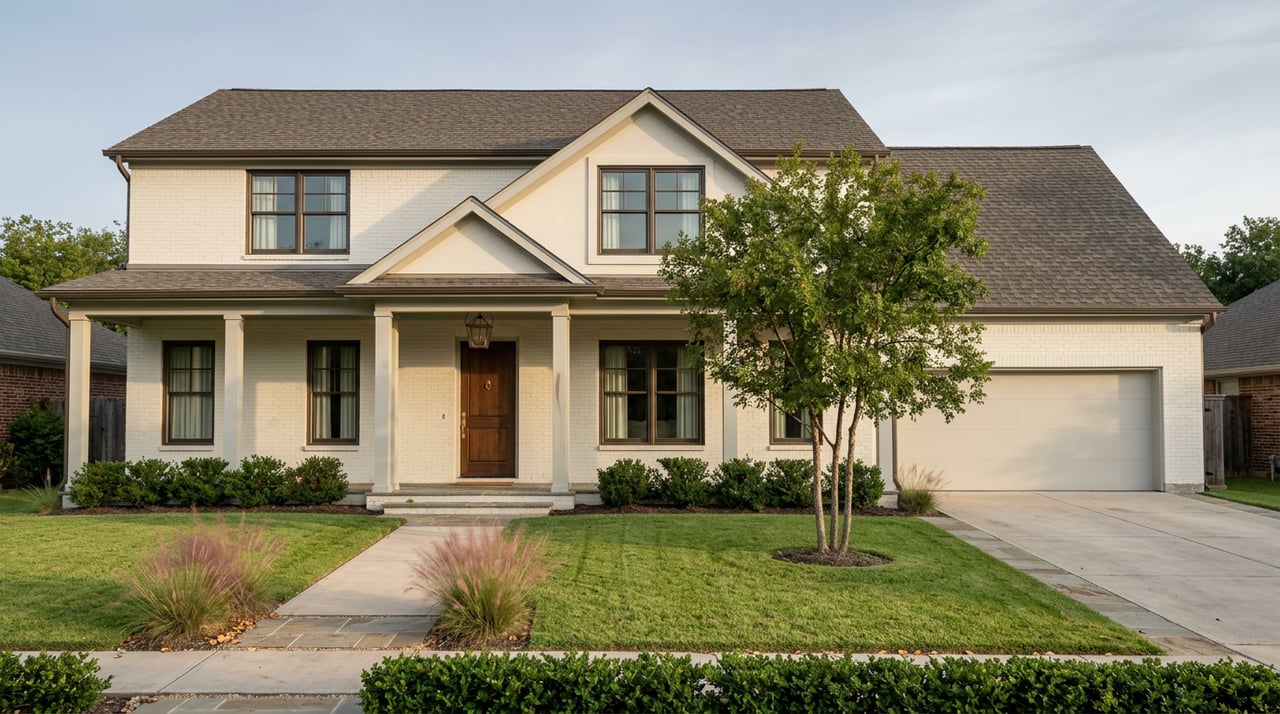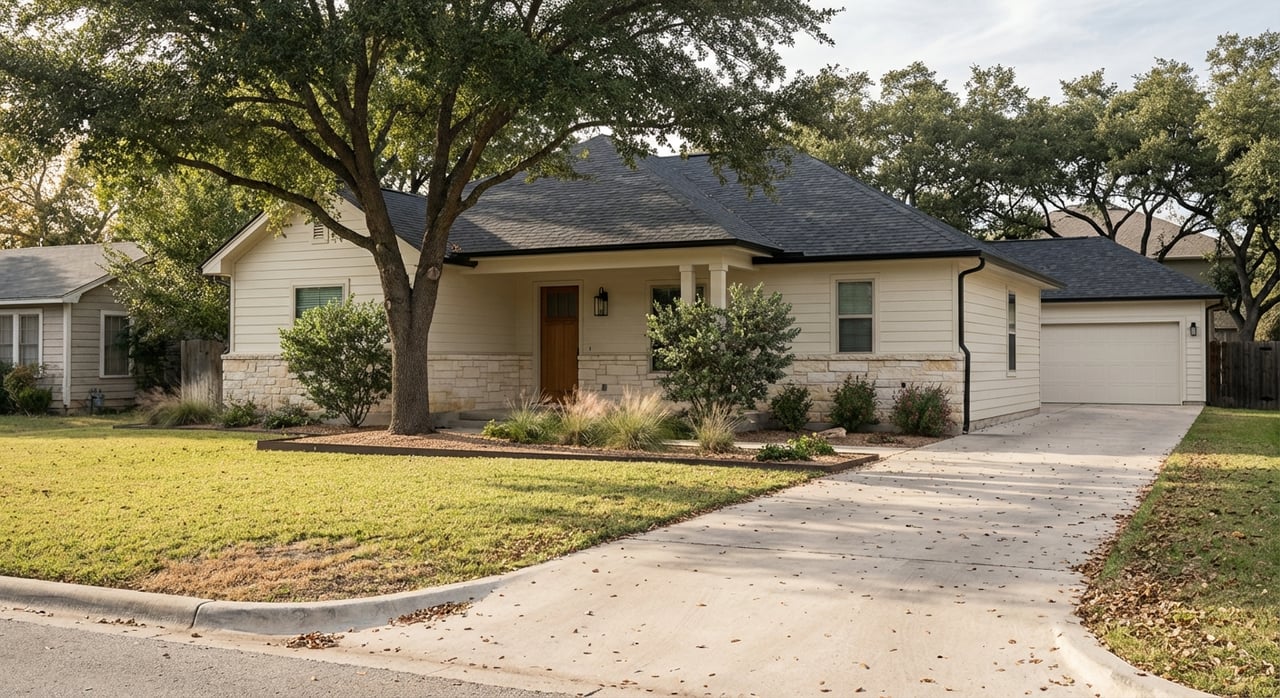
Trying to decide if your home budget stretches more in Kyle or Austin? You’re not alone. Many first-time buyers and relocators weigh square footage and yard size against commute time and city amenities. In this guide, you’ll see how prices, price per square foot, commute options, taxes, and lifestyle compare so you can choose with confidence. Let’s dive in.
Prices and space at a glance
Here’s the quick snapshot based on early 2026 market snapshots:
- Median sale price: Kyle ≈ $305,000; Austin ≈ $495,000–$500,000.
- Price per square foot: Kyle ≈ $160/sq ft; Austin ≈ $289/sq ft.
- Market pace: Kyle often shows longer days on market near 90–100 days, while Austin remains higher priced overall.
What this means for you: at the same budget, Kyle typically delivers more interior square footage and a larger lot. In Austin, you usually trade size for location and proximity to jobs and entertainment.
What your budget buys in each city
Budget up to $350,000
- Kyle: You’re near or above the local median, which often puts 3-bedroom single-family homes in reach, commonly in newer subdivisions. Typical homes land around 1,600–2,400 square feet with a yard.
- Austin: The same budget often targets condos or townhomes and smaller single-family homes in farther-out or lower-priced pockets. Expect less interior space and a smaller lot footprint.
Budget around $500,000
- Austin: This sits near the city’s median, opening up more options in a range of neighborhoods and larger units in select areas.
- Kyle: You can step into larger or newer single-family homes, sometimes with more upgrades and a more generous yard than a similarly priced Austin property.
Space and lot size basics
- Kyle: Subdivisions commonly show lots around 6,400–9,200 square feet (about 0.14–0.21 acre). Many neighborhoods are newer master-planned communities with consistent amenities and HOA standards.
- Austin: Lot sizes vary widely. Central condos and townhomes may sit on very small footprints, while single-family lots range from around 5,000 to 10,000 square feet and up as you move outward.
If you value a yard and newer construction amenities, Kyle often fits the brief. If being close to restaurants, entertainment, and job centers is the priority, Austin offers the location advantage.
Neighborhood feel and property types
- Austin: Expect a mix of condos, townhomes, and single-family homes, especially closer to the urban core. Smaller lots and higher per-square-foot prices are common near downtown and popular infill areas.
- Kyle: You’ll see more single-family homes in master-planned communities. A flagship example is Plum Creek, which highlights how Kyle’s newer neighborhoods package parks, trails, and community spaces into the housing experience.
Commute and transport realities
Distance and drive times
- Kyle is about 22 miles from Downtown Austin by road. That’s your baseline distance for many commutes between the two cities. You can explore the route using this Kyle-to-Austin drive distance reference.
- Average travel times reflect this separation. Kyle residents report a mean commute of about 36.4 minutes, while Austin residents average roughly 24.0 minutes, according to U.S. Census QuickFacts.
- The I-35 corridor is the primary route. Peak-hour congestion can add time, and ongoing improvement projects can affect flow. For construction context, see TxDOT project reporting and always sanity-check your commute with live maps at your target hours.
Transit options
Kyle and nearby Hays County communities have limited fixed, frequent transit into Austin. Services like CARTS and on-demand options offer regional connections, but many residents rely on driving. If you need dependable bus or rail for a central Austin job, verify route frequency for your exact address. A good starting point is the Hays County community resource guide.
Ownership costs beyond the sticker price
Property taxes
- City tax rates change year to year. For Kyle, the adopted city portion for FY2024–25 is $0.4693 per $100 of taxable value, per the City of Kyle budget.
- Austin’s FY2024–25 city portion is in a similar range. Your total bill in either city will also include school district, county, community college, and any special district levies.
- Median effective property tax rates in Hays County often land around 1.5–1.9%, with Travis County in a similar neighborhood. For planning, you can explore county-by-county estimates using this Texas property tax calculator. Always confirm address-level details with the local appraisal district.
HOAs, insurance, and utilities
- HOAs: Many Kyle subdivisions are HOA communities. Fees vary, so check bylaws and monthly or annual dues when comparing homes.
- Insurance: Premiums can differ by neighborhood, age of home, and roof condition. Get quotes for the specific property.
- Utilities: Kyle adopted water and wastewater rate adjustments in 2024–25 to support infrastructure. Review the City of Kyle budget page for context and factor updated rates into your monthly budget.
Lifestyle and amenities tradeoffs
- Austin: You’re close to major cultural institutions, dining, live music, and large employers across tech, higher education, and health sectors. Many neighborhoods offer a walkable or short-drive lifestyle with access to urban amenities.
- Kyle: Rapid growth has brought more local conveniences, parks, and community events. Master-planned neighborhoods such as Plum Creek showcase trails and common spaces. CityPoint and the Vybe Park District reflect ongoing commercial momentum, and Lake Kyle Park is a notable outdoor draw. School assignments vary by address; Hays CISD serves much of the Kyle area. Aggregators such as Niche show a B+ district rating; see Hays CISD on Niche and always verify current school information through official district and TEA pages.
Who each location fits
Choose Kyle if you prioritize:
- More interior space and a larger yard for the price.
- Newer-construction homes and master-planned amenities.
- Comfort with a longer average commute and more driving.
Choose Austin if you prioritize:
- Shorter average commute and closer proximity to job centers.
- Walkable access to dining, entertainment, and urban amenities.
- Willingness to trade square footage and lot size for location.
How to choose with confidence
- Define your must-haves: bedrooms, office space, yard, garage, or low-maintenance living.
- Map your commute: drive your likely route at real-world hours and compare door-to-door times.
- Compare ownership costs: get address-level estimates for taxes, HOA dues, utilities, and insurance.
- Preview neighborhoods: walk a few streets, visit parks, and time the grocery and school runs.
- Align the budget: use price-per-square-foot as a guide, then confirm with current listings.
Ready to compare real homes that match your budget and lifestyle? Let a local guide do the heavy lifting. Reach out to Esther Talley to line up tours, run numbers, and create a clear path from search to closing.
FAQs
How much more space can my budget buy in Kyle vs. Austin?
- Using recent citywide medians, Kyle’s price per square foot is often about $160 versus about $289 in Austin. For the same budget, that can translate into significantly more interior square footage in Kyle, assuming similar condition and location factors.
How long is the commute from Kyle to Downtown Austin?
- Kyle is about 22 miles from downtown by road, and Kyle residents report an average 36.4-minute commute versus about 24.0 minutes for Austin residents. Peak-hour I-35 congestion can add time, so test your route at commute hours. See drive distance and Census QuickFacts for context.
Are property taxes higher in Kyle or Austin?
- City portions are similar, with Kyle’s FY2024–25 city rate at $0.4693 per $100 of value per the City of Kyle budget. Your total bill depends on school district, county, and special districts. Explore estimates by county with this Texas property tax calculator and confirm at the appraisal district.
What if I rely on public transit to reach Austin?
- Fixed, frequent commuter transit from Kyle is limited. CARTS and on-demand options offer regional connections, but many residents drive for daily commutes. Start with the Hays County community resource guide and confirm current routes and schedules for your address.
What types of homes are most common in Kyle?
- Single-family homes in newer subdivisions and master-planned communities are common. Lots often run about 6,400–9,200 square feet. Neighborhoods like Plum Creek illustrate the master-planned format with parks and community features.
Who tends to choose Austin over Kyle?
- Buyers who prioritize a shorter commute, proximity to job centers, and quick access to dining and entertainment often focus on Austin, knowing they may trade square footage and lot size for location.