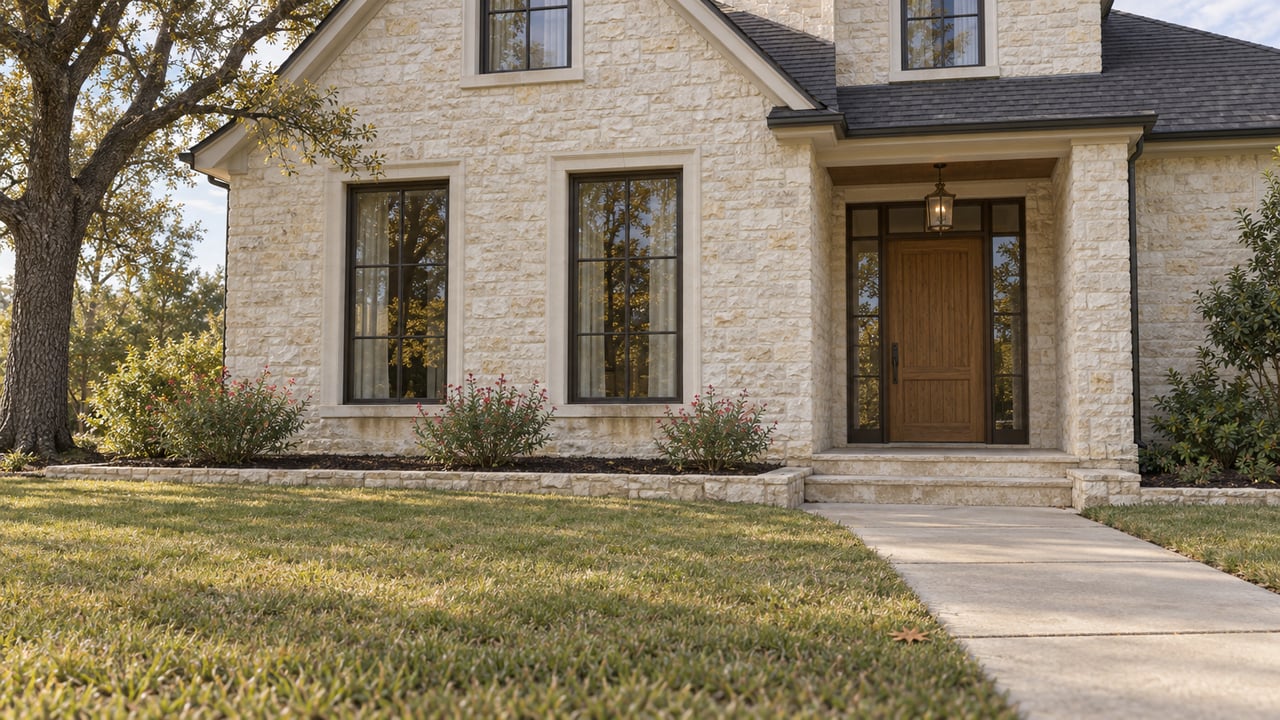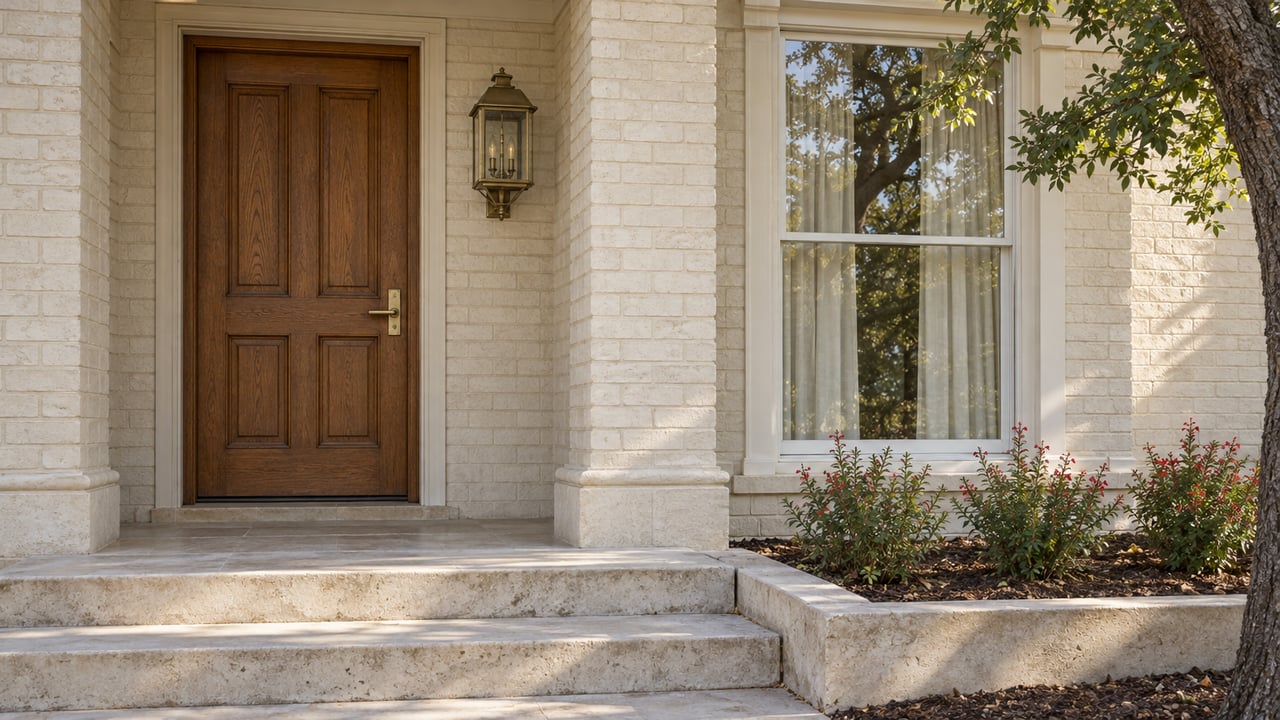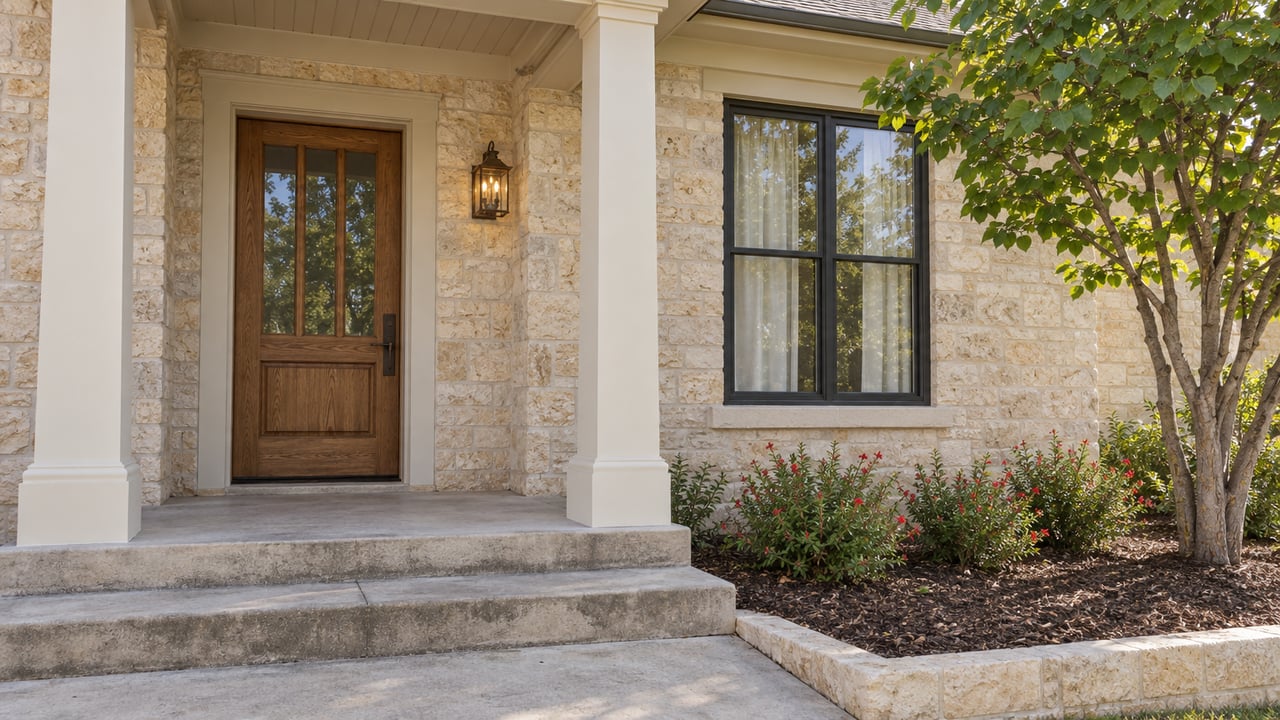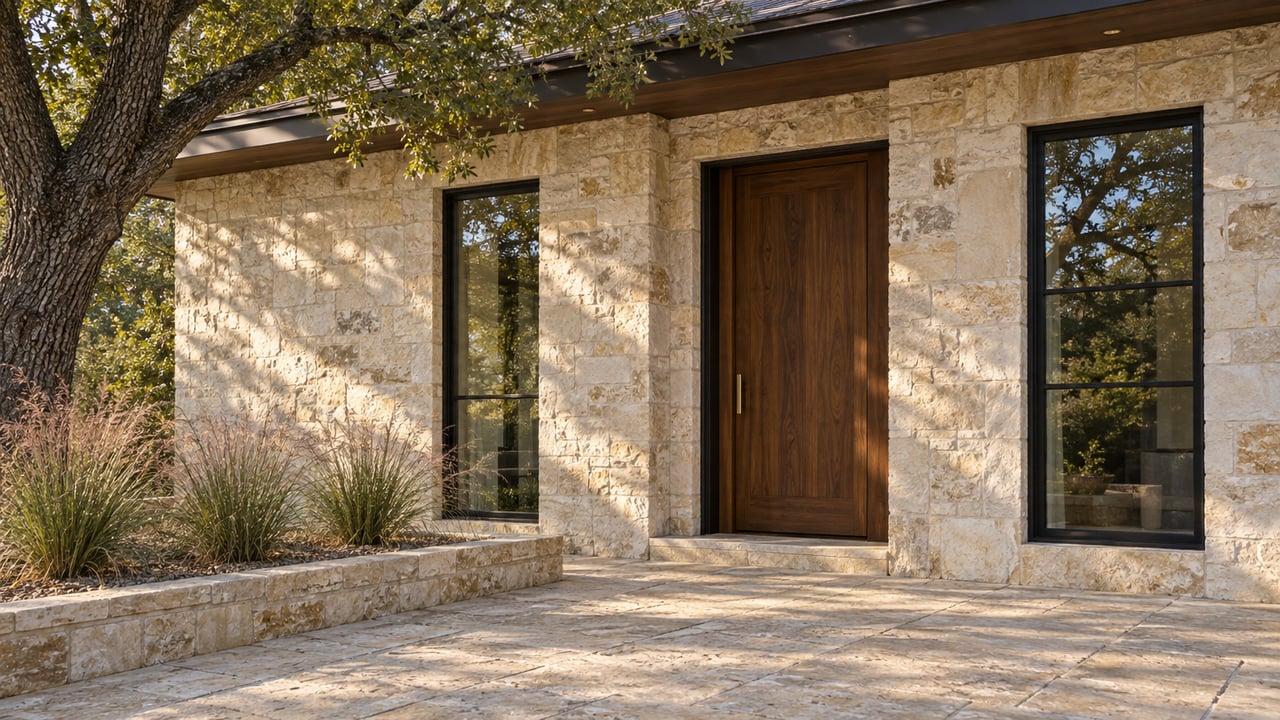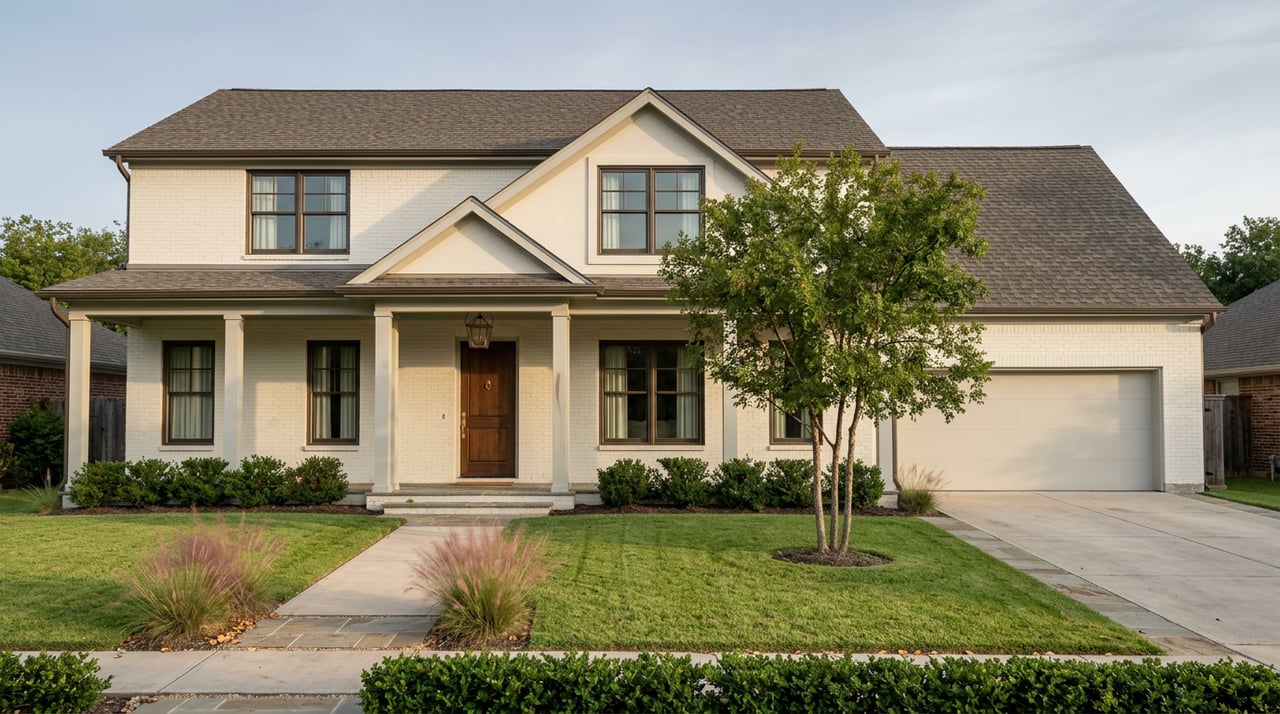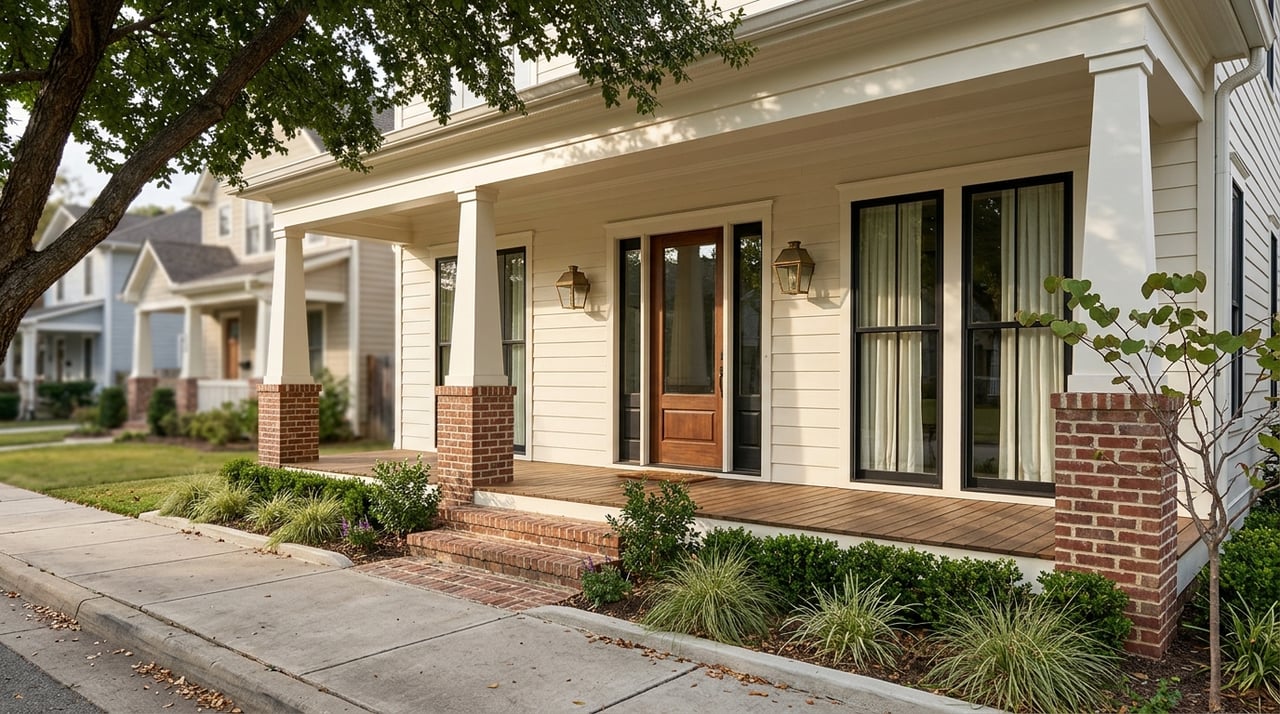
Choosing between a new community and a historic street in Georgetown can feel like picking between two different lifestyles. You might love the idea of a newer home with trails, pools, and flexible floor plans, but also feel drawn to the charm and walkability of the downtown core. The good news is that Georgetown offers both, and if you understand the tradeoffs, you can buy with more confidence. Let’s dive in.
Why Georgetown Gives You Two Distinct Paths
Georgetown stands out because it blends historic character with ongoing growth. City planning materials separately track areas like the Downtown Overlay District, Old Town Overlay, and Planned Unit Developments, which shows just how different these buying experiences can be.
In simple terms, you are often choosing between a more standardized, amenity-focused neighborhood and a more character-driven area near the historic core. Neither is automatically better. The right fit depends on how you want to live day to day.
New Communities in Georgetown
Newer master-planned communities in Georgetown often appeal to buyers who want convenience and predictability. Community sites for neighborhoods like Parmer Ranch and Nolina highlight contemporary home plans, flexible living spaces, open space, larger backyards, and shared amenities.
These communities also tend to emphasize lifestyle features that are easy to picture using right away. That can include pools, splash pads, fitness spaces, trails, playscapes, and organized programming. If you want a neighborhood where recreation is built into the layout, this may feel like a natural fit.
What buyers often like most
Many buyers are drawn to newer communities because the homes and neighborhood features are designed around modern living. Floor plans may include bonus rooms, open kitchens, and spaces that can adapt to work, hobbies, or guests.
There is also a clear appeal in having community amenities close to home. Instead of relying on the downtown core for activity, many newer neighborhoods create their own rhythm through amenity centers, events, and shared spaces.
What to look into carefully
If you are considering a newer community, look beyond the model-home appeal. You will want to understand the homeowners association, any ongoing assessments, and what rules apply to the property.
Texas Property Code Chapter 209 gives owners certain rights in many HOA-governed communities, including access to association books and records, written notice before certain enforcement actions, the ability to request a hearing before the board, and open board-meeting provisions. That does not remove HOA rules, but it does give you a framework for transparency and process.
Historic Streets Near Downtown Georgetown
If you are drawn to older homes, mature streetscapes, and a more walkable setting, Georgetown’s historic areas may be exactly what you want. The city’s downtown design guidelines describe the square as a nine-block area centered on the Williamson County Courthouse, with two-way streets, angled parking, wide sidewalks, canopies, and a pedestrian-friendly street edge.
That creates a very different feel from a master-planned subdivision. Daily life may include easier access to downtown restaurants, retail, the Central Library, the Palace Theater, and local events like First Fridays, Market Days, art festivals, and the Red Poppy Festival.
What makes historic areas special
Historic streets offer a sense of place that is hard to copy. Architectural details, established blocks, and proximity to the downtown square can make these homes feel distinctive in a way that newer construction often does not.
For some buyers, that character is the point. If you want a home with visual personality and a location that supports walking and downtown activity, the historic core can be very compelling.
What buyers need to know first
Character often comes with more responsibility. Georgetown’s historic guidelines emphasize preserving original details and keeping changes compatible with the home’s existing size, scale, massing, and materials.
That means exterior work may not be as simple as choosing whatever product is easiest or cheapest. In the historic-district context, the guidelines specifically note that vinyl siding and vinyl windows are not acceptable substitute materials.
Historic Overlay Rules Can Affect Renovations
One of the most important questions to ask is whether a home is actually inside a historic overlay or design district, or simply near downtown. That distinction matters because properties within Historic Overlay Districts may need city review before certain exterior changes can move forward.
Georgetown’s Unified Development Code says a Certificate of Appropriateness, often called a COA, can be required for things like new construction, many additions, paint changes on previously painted historic surfaces, and demolition-related work. Approval is tied to the Downtown and Old Town Design Guidelines and the goal of preserving district character.
Why this matters for your budget and timeline
If you are buying a historic home, future projects may take more planning than they would in a newer neighborhood. Even routine-looking exterior updates can involve design review, material expectations, and added time.
That does not mean you should avoid historic homes. It simply means you should buy with a realistic understanding of what ownership may involve after closing.
Maintenance Differences Matter More Than Buyers Expect
Many buyers focus first on style, layout, and location. Those things matter, but the ongoing maintenance side of the decision can have just as much impact on your experience.
Georgetown’s maintenance guidance for historic properties recommends regular roof inspections, cleaning gutters and downspouts, preserving paint and coatings on wood features, and repairing deteriorated historic elements rather than replacing them whenever possible. When replacement is necessary, the new feature should match the old in design, color, texture, and visual qualities.
Newer homes versus older homes
In a newer community, the tradeoff is often HOA structure and neighborhood rules. In a historic area, the tradeoff is often more hands-on upkeep and a higher standard for exterior repairs.
That difference can shape your monthly budget and your free time. A buyer who wants lower day-to-day maintenance complexity may lean toward newer construction, while a buyer who values architectural character may be more comfortable with a longer maintenance list.
Walkability, Amenities, and Parking
Lifestyle fit is not just about the home itself. It is also about how you move through the area and what matters most to you outside your front door.
Newer communities often emphasize internal amenities like trails, pools, fitness spaces, and programmed activities. Historic Georgetown emphasizes pedestrian access to the downtown square and surrounding destinations.
The downtown parking tradeoff
Downtown Georgetown offers a vibrant setting, but it also comes with more urban-style circulation and tighter parking conditions. The city’s downtown parking study notes a significant off-street parking shortage in parts of the nine-block core.
If you love walkability and activity, that may be an acceptable tradeoff. If easy parking and a more spread-out layout matter more to you, a newer neighborhood may feel more comfortable.
Is Historic Always HOA-Free?
Not necessarily. Georgetown’s HOA mapping shows registered associations in both newer and established areas, including places like Berry Creek, Georgetown Village, North Old Town, Old Town, and Sun City.
That means you should never assume an older area has no association involvement. Whether you are buying in a new development or on an established street, reviewing any HOA documents is still an important step.
How to Decide What Fits You Best
When buyers are stuck between these two options, it usually helps to focus less on appearance and more on daily life. Ask yourself what kind of ownership experience you want for the next several years.
A newer Georgetown community may be a better fit if you want:
- Contemporary floor plans
- Shared amenities like pools, trails, and fitness spaces
- A neighborhood designed around newer infrastructure
- Fewer preservation-related restrictions on exterior changes
A historic Georgetown street may be a better fit if you want:
- Walkability near the downtown core
- Distinct architectural character
- Access to downtown events, dining, and cultural destinations
- A homeownership experience you do not mind being more hands-on
Smart Questions to Ask Before You Buy
Before making an offer, try to answer a few practical questions early. These answers can protect your budget, timeline, and expectations.
Ask about district status
Find out whether the property is inside a Historic Overlay District, Downtown Overlay District, Old Town Overlay, or simply nearby. That one detail can affect renovation plans and exterior approvals.
Ask about the HOA
If the neighborhood has an HOA, review the rules, dues, and governance structure. You should also understand your rights under Texas Property Code Chapter 209 related to records access, notice requirements, and hearing procedures.
Ask about your lifestyle priorities
Be honest about whether you care more about amenities or walkability. Also think about parking, maintenance comfort level, and how much flexibility you want for future exterior changes.
In Georgetown, the best choice is usually the one that matches your habits, not just your wish list. If you want help sorting through historic overlays, HOA questions, and neighborhood fit, Esther Talley can help you compare options with a clear, local perspective.
FAQs
What is the difference between new communities and historic streets in Georgetown?
- New communities in Georgetown often focus on contemporary homes, shared amenities, and HOA governance, while historic streets near downtown tend to offer walkability, architectural character, and more preservation-related considerations.
Do historic homes in Georgetown require city approval for exterior changes?
- Homes located within Georgetown Historic Overlay Districts may need a Certificate of Appropriateness for certain exterior work, including some additions, paint changes on previously painted historic surfaces, new construction, and demolition-related work.
Are newer Georgetown neighborhoods usually part of an HOA?
- Many newer Georgetown neighborhoods have HOAs, and buyers should review dues, rules, and records carefully. Texas Property Code Chapter 209 outlines owner rights related to records access, notice, hearings, and open board meetings.
Are homes near downtown Georgetown always in a historic district?
- No. A home can be near the historic core without being inside a Historic Overlay District or design district, so it is important to confirm the property’s exact status before you buy.
What maintenance should buyers expect with historic homes in Georgetown?
- Historic homes in Georgetown may require more hands-on exterior upkeep, including roof inspections, gutter and downspout cleaning, maintaining wood paint and coatings, and repair methods that match original design and materials.
Is parking harder near historic downtown Georgetown?
- Downtown Georgetown offers a walkable setting, but the city’s parking study notes a significant off-street parking shortage in parts of the nine-block core, so parking can be a practical tradeoff for buyers who want to live near downtown activity.